
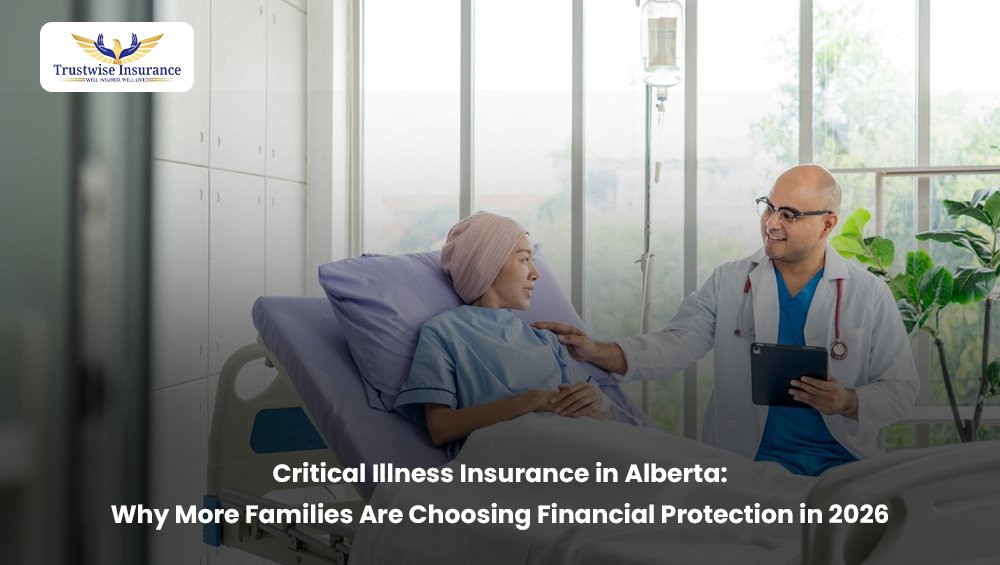
Health concerns can affect anyone at any stage of life. While medical care in Canada provides valuable support, many families are surprised by the financial challenges that follow a serious health diagnosis. Lost income, travel expenses, home modifications, childcare costs, and ongoing recovery expenses can place significant pressure on household finances.
This is one of the main reasons why Critical Illness Insurance in Alberta is becoming a popular financial planning tool among families, professionals, business owners, and retirees.
In today’s changing economic environment, people are focusing not only on protecting their health but also on protecting their financial future. Critical illness insurance offers a safety net that can help individuals focus on recovery without worrying about immediate financial burdens.
Why Alberta Residents Are Paying More Attention to Health Protection
Alberta has a growing population, busy workforce, and many individuals working in industries that demand physical and mental resilience. Whether someone works in energy, construction, healthcare, education, agriculture, or technology, a major illness can disrupt income and daily life.
Several factors are driving interest in critical illness coverage:
- Rising household expenses
- Increased awareness of chronic diseases
- Longer recovery periods after serious illnesses
- Financial responsibilities such as mortgages and loans
- Growing healthcare-related expenses outside standard medical coverage
People are becoming more proactive about financial preparedness rather than waiting for unexpected events to occur.
What Is Critical Illness Insurance?
Critical illness insurance is a type of coverage that provides a lump-sum payment if the insured person is diagnosed with a covered critical illness and meets the policy requirements.
Unlike disability insurance, which replaces income over time, critical illness insurance typically pays a one-time tax-free benefit that can be used for any purpose.
Policyholders can use the money for:
- Mortgage payments
- Household bills
- Medical expenses
- Travel for treatment
- Rehabilitation costs
- Childcare expenses
- Debt repayment
- Income replacement
- Lifestyle adjustments during recovery
The flexibility of the benefit makes it a valuable financial protection tool.
How Critical Illness Insurance Works
The process is generally straightforward:
- Purchase a policy.
- Continue paying premiums.
- Receive a covered diagnosis.
- Meet the policy survival period requirements.
- Submit a claim.
- Receive a lump-sum benefit upon approval.
The payment can be used according to personal needs without restrictions in most cases.
This financial support helps reduce stress during one of life’s most challenging periods.
Illnesses Commonly Covered by Critical Illness Insurance
Coverage varies by provider, but many policies commonly include:
- Cancer
- Heart attack
- Stroke
- Coronary artery bypass surgery
- Kidney failure
- Major organ transplant
- Multiple sclerosis
- Parkinson’s disease
- Alzheimer’s disease
- Severe burns
- Paralysis
Some advanced plans may offer coverage for dozens of medical conditions.
Before purchasing coverage, reviewing the policy details is important to understand what conditions are included.
Key Benefits for Alberta Families
Financial Stability During Recovery
A serious illness often affects earning capacity. Critical illness insurance helps provide financial stability when income may decrease.
Freedom of Choice
The lump-sum payment can be used however the policyholder chooses.
Reduced Financial Stress
Families can focus on recovery rather than worrying about bills and debt.
Support Beyond Medical Expenses
Not all illness-related costs are covered through public healthcare programs.
Protection for Long-Term Financial Goals
Savings intended for retirement, education, or investments can remain intact rather than being used for emergency expenses.
Why Health Insurance Alone May Not Be Enough
Many people assume their health coverage will handle all illness-related expenses.
However, indirect costs often create the greatest financial strain.
Examples include:
- Lost wages
- Home care services
- Transportation expenses
- Specialized equipment
- Family accommodation near treatment centers
- Home renovations for accessibility
Critical illness insurance helps bridge these financial gaps.
Who Should Consider Critical Illness Insurance?
Working Professionals
Professionals who depend on regular income may benefit from added protection.
Families with Children
Parents often have significant financial responsibilities that continue regardless of health challenges.
Homeowners
Mortgage obligations do not stop during recovery periods.
Self-Employed Individuals
Business owners may not have access to employer-sponsored benefits.
Individuals with Financial Dependents
Anyone supporting family members may want additional financial security.
Critical Illness Insurance for Self-Employed Professionals
Self-employed Albertans often face unique challenges.
Without employer-provided benefits, a serious illness can lead to:
- Reduced business income
- Client loss
- Operational disruptions
- Increased financial pressure
Critical illness insurance can provide immediate financial resources to keep personal and business obligations on track.
Critical Illness Insurance for Young Adults
Many younger adults believe critical illness coverage is unnecessary.
However, purchasing coverage earlier can offer advantages:
- Lower premiums
- Easier qualification
- Long-term protection
- Financial security during key career-building years
Health challenges can occur unexpectedly, regardless of age.
Critical Illness Insurance for Parents
Parents often prioritize their children’s future.
A critical illness diagnosis can affect:
- Household income
- Education savings
- Childcare arrangements
- Family routines
A lump-sum benefit can help maintain stability and support family needs during recovery.
Critical Illness Insurance for Business Owners
Business owners often carry responsibilities that extend beyond personal finances.
Critical illness insurance may help with:
- Business continuity
- Employee payroll support
- Loan payments
- Operating expenses
- Temporary staffing needs
It can serve as an important part of a broader business protection strategy.
Factors That Affect Premium Costs
Several factors influence premium pricing:
Age
Younger applicants typically receive lower premiums.
Health Status
Medical history plays a major role in underwriting.
Coverage Amount
Higher coverage amounts generally result in higher premiums.
Policy Length
Longer coverage periods may impact pricing.
Lifestyle Habits
Smoking and certain health risk factors can increase costs.
Covered Conditions
Policies with broader coverage may have higher premiums.
Understanding these factors helps individuals select coverage that aligns with their needs and budget.
Common Myths About Critical Illness Insurance
Myth 1: Only Older Adults Need It
Serious illnesses can affect individuals of various ages.
Myth 2: Government Healthcare Covers Everything
Many non-medical expenses remain the responsibility of the individual.
Myth 3: It Is Too Expensive
Coverage options are available across different budgets.
Myth 4: Disability Insurance Is Enough
Disability insurance and critical illness insurance serve different purposes.
Myth 5: Healthy People Do Not Need Coverage
Insurance is typically easier to obtain before health issues arise.
How to Choose the Right Policy in Alberta
When evaluating options, consider:
- Coverage amount
- Covered illnesses
- Premium affordability
- Policy duration
- Claim process
- Renewal options
- Return-of-premium features
- Insurance provider reputation
Comparing multiple options can help identify the most suitable protection strategy.
Future Trends in Critical Illness Coverage
The insurance industry continues to evolve.
Several trends are shaping the future:
Expanded Illness Coverage
More policies now include additional medical conditions.
Flexible Policy Options
Consumers increasingly prefer customizable plans.
Digital Applications
Online application processes are becoming faster and more convenient.
Wellness Incentives
Some insurers reward healthy lifestyle choices.
Greater Consumer Awareness
More Canadians are recognizing the importance of financial protection against serious health events.
These developments are helping make critical illness insurance more accessible and relevant than ever before.
Final Thoughts
Critical illness insurance is becoming an important component of financial planning for Alberta residents. A serious health diagnosis can create challenges that extend beyond medical treatment, affecting income, savings, and long-term financial goals.
By providing a lump-sum benefit, critical illness insurance offers flexibility and financial support when it may be needed most. Whether you are a young professional, parent, homeowner, self-employed worker, or business owner, having a plan in place can provide valuable peace of mind.
As healthcare needs and living costs continue to change, many Albertans are choosing critical illness insurance as part of a comprehensive financial protection strategy.
Frequently Asked Questions (FAQs)
1. What is critical illness insurance in Alberta?
Critical illness insurance provides a lump-sum payment when an insured individual is diagnosed with a covered critical illness and meets policy requirements.
2. Is the benefit payment taxable?
In many cases, critical illness insurance benefits are received tax-free, but policyholders should review their specific policy details.
3. What illnesses are typically covered?
Coverage often includes cancer, heart attack, stroke, kidney failure, organ transplant, and several other serious medical conditions.
4. Can I use the benefit for any purpose?
Yes, most policies allow policyholders to use the money as they choose.
5. Do young adults need critical illness insurance?
Many young adults purchase coverage early to secure lower premiums and long-term protection.